A million ideas.One is the right one
I am Francifelly Bencosme, a product and UX/UI designer in Santo Domingo. This is my portfolio: one page you travel through, star by star. Scroll down and enjoy.
Follow the light ↓Follow the line ↓Projects
Six projects,all still online
-
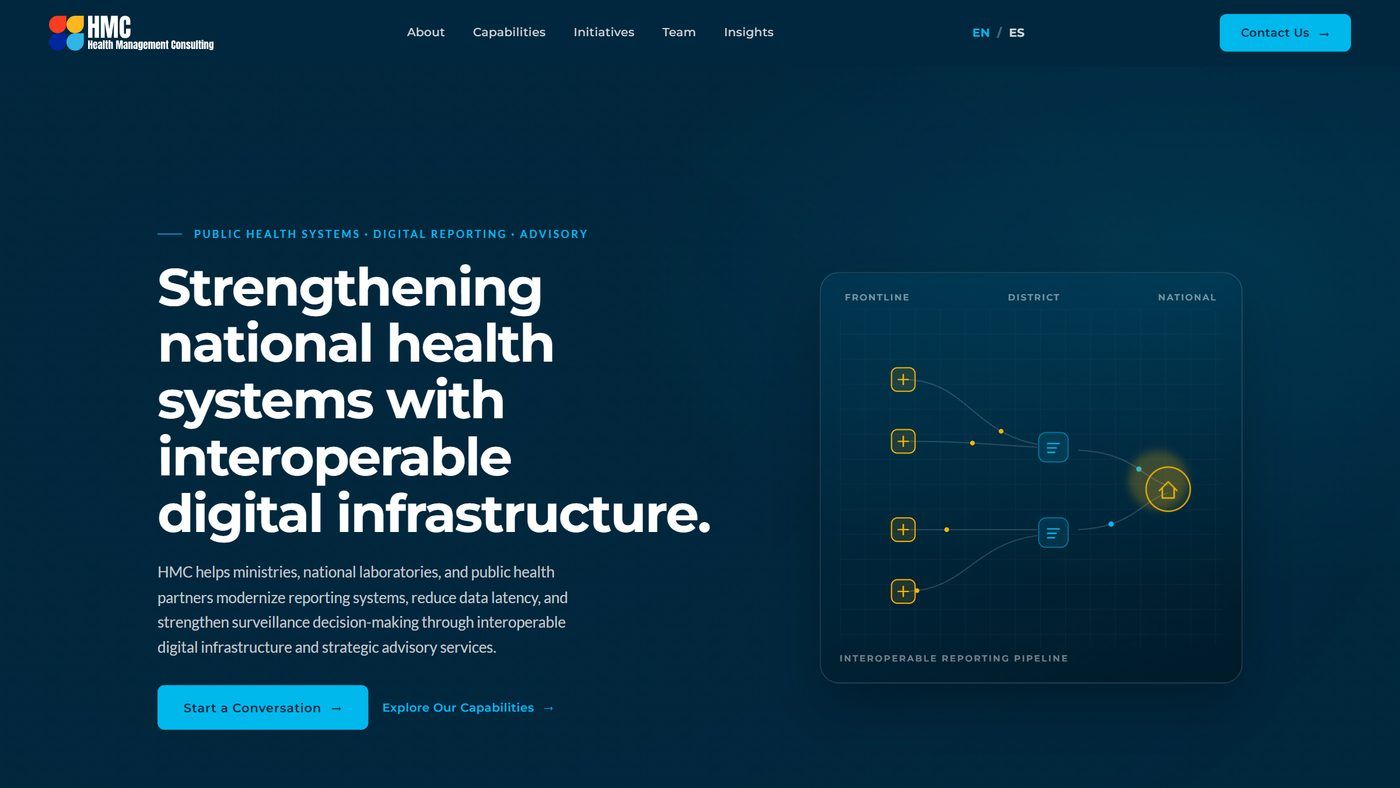
Website and brand for a consultancy that helps health systems share data, handed over so their team updates it. See the case
-
A government app where citizens report problems, and each report stays open until the institution proves it is solved. See the case
-
The city council’s app: the eight services residents actually use, on one screen. See the case
-
The innovation lab’s website, plus a 3D town you explore on a scooter. See the case
-
Two government brands designed to feel curious and human, not like a ministry. See the case
-
A free arcade space game hidden in this site. Plays in the browser. See the case
Is this for my problem?
Which onesounds like you?
What I do
I start from your brief and then I listen: talking with you and with the people who will use it is how I understand the real problem. From there I design it and stay with the developers until it ships.
Like Reportero and the Santo Domingo Este app
What I do
I find out why by talking with the people who use it, redesign what gets in their way, and leave a design system so your team can keep it consistent.
Like the innovation lab
What I do
I design the identity, the tone of voice and the visual system together, so everything people see feels like one company. People decide whether to trust you before they read anything.
What I do
I put first the few things people come for and send each request to the right place, so they can finish what they started.
Like Santo Domingo Este
How I work
I ask first.I build after
Five steps, always in this order. The first takes the longest, because if it goes wrong, the other four can’t fix it.
- 01 · the long oneAskI find out who will use it, and for what. For Reportero: twenty days in the field, from police stations to the National Palace. Reportero
- 02DefineI look for the real problem. They asked for a logo; the problem was trust: an office that asks citizens for ideas can’t look like a ministry. LID & OGTIC
- 03CutI leave out what doesn’t help. We said no to a ninth service, so the other eight stayed easy to find. Santo Domingo Este
- 04TestI put it in real hands early. More than 200 officers tested Reportero. Reportero
- 05Hand overI stay until it’s used, then hand it over. HMC now writes and publishes its own website. HMC
Biography
MMVIII — Artifex Stellerum
Dominican Republic
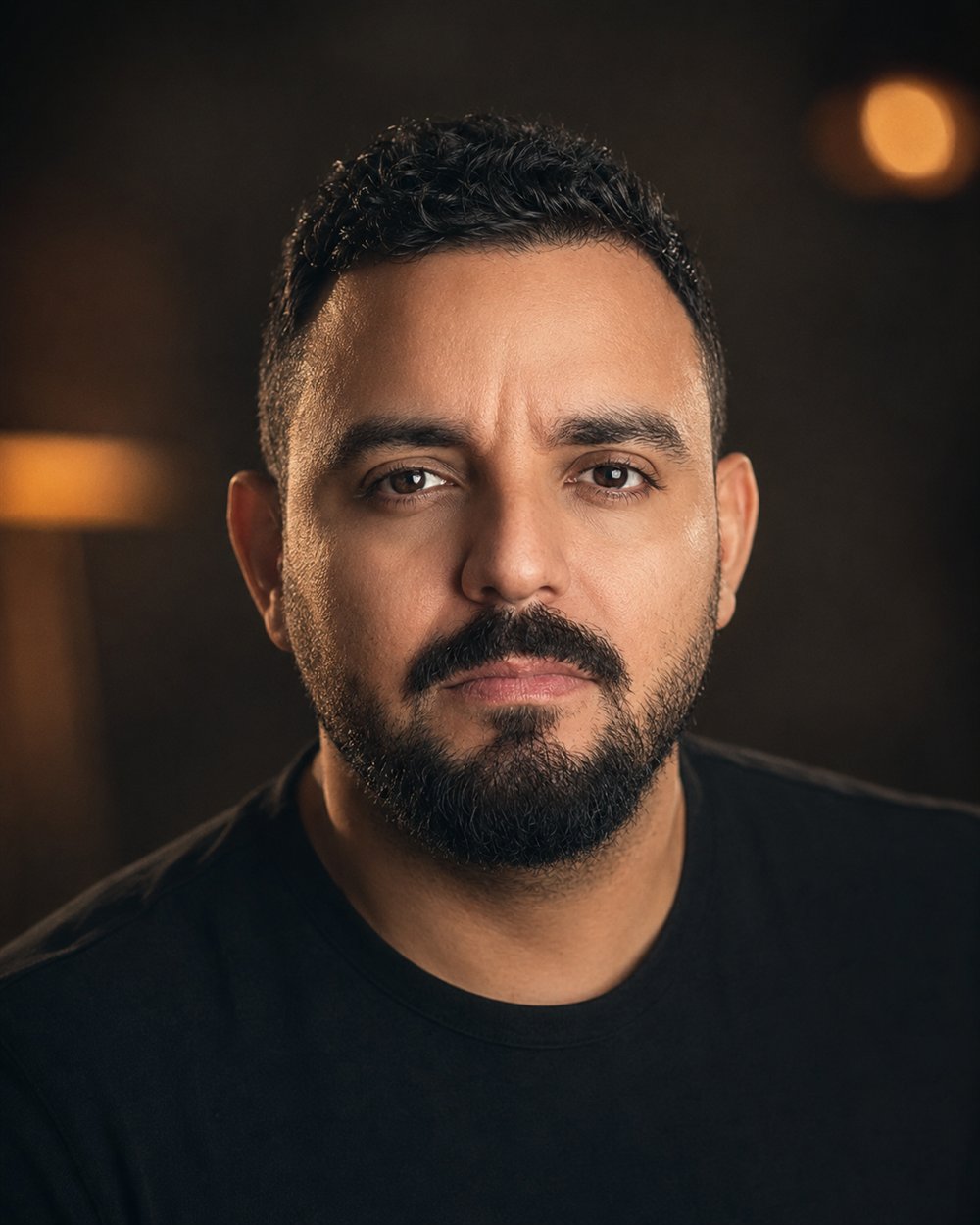
Fran Bencosme
Product designer. Curious by nature.
Banco BHD + Redviver.
About me / The beginning
How I got here
Francifelly Bencosme.
Everyone calls me Fran.
Based in Santo Domingo, I studied multimedia at ITLA and have designed websites, apps and brands since 2008.
Theorem taught me craft. Startups taught me change. At OGTIC, I designed the innovation lab’s brand, Reportero and the city app.
Today, I design product at Banco BHD, where I led the acquisition journey, and run Redviver, my own studio.
A screen becomes
someone’s day.
I look for the problem behind the brief.
I stay until someone uses the thing.
What I write
Essayson how I work
Three short pieces about decisions I run into on every project.
-
Why saying no is part of the job
Every client arrives with a list. Sometimes it is a document, sometimes a sentence that starts with "we also need." The list is never the problem. Treating it as the plan is.
A list is a record of everything anyone has ever wanted. It has no author and no priority. It grew because saying yes is free at the moment you say it, and expensive for years afterwards.
Keep readingInside
- What a feature actually costs
- No is not a refusal
- Earn it first
-
A logo shouldn’t be decided by taste
The worst meeting in this profession is the one where a brand gets decided by whoever has the strongest feelings about the color green.
It happens constantly, and it is nobody's fault in particular. A logo is the one piece of work everyone feels qualified to judge. You don’t need any design vocabulary to say you don’t like it. So the conversation turns into personal taste, and you can’t argue with someone’s taste.
Keep readingInside
- The question that changes the meeting
- A brand has a job to do
- Where taste belongs
-
A design isn’t finished until people use it
At Theorem, an advertising agency, I was on the other side of the design file: I turned other people’s designs into real, working interactive ads on a platform called Celtra. That shaped everything I think about this job.
What I learned there is that a file is a proposal. A very good proposal, often a beautiful one, describing a product that does not exist yet and may never exist in that form.
Keep readingInside
- The gap between the design and the product
- Staying close to the developers
- Why it is worth it
Who vouches for me
Fernando Pepén LinkedIn ↗Product Owner, Banco BHDMy direct manager Aug 2026
“He led the design of the acquisition journey — landing pages, emails, banners and pop-ups — always with a holistic view of the process and of the customer experience.”
Translated from Spanish
Michelle Luna Borrelly LinkedIn ↗Project Manager, OPTIC / OGTICSame team Aug 2026
“He has a rare ability to think like an architect while keeping the end user at the center of everything he builds.”
Fernando Salazar LinkedIn ↗Project Manager, UL SolutionsClient, via Phnx Studio Aug 2026
“…he could guide them toward best practices while still genuinely hearing out their ideas and making them feel part of the process.”
Who trusted the work
 Public Services
 Laboratory of Innovation
 Dominican Film Commission
 City Hall
 National Police
 Higher Education
 Migration
 Public Works
Questions
- Do you work outside the Dominican Republic?
- Yes. What I’ve built is used in more than a dozen countries, and I work remotely.
- Do you only design, or do you stay to the end?
- I stay until it’s launched and in use. With HMC, that meant handing over a website their own team now updates.
- What do you need from me to start?
- Your description of the problem, and access to the people who deal with it every day. You don’t need a detailed brief.
- What kind of projects do you take?
- Ones where the product, the experience and the brand are designed together. Especially apps and sites people choose to use, not ones they’re forced to.
- What does it cost?
- There’s no fixed price list. After a first conversation, I send you a quote before any work starts.
- How long does it take?
- It depends on the project. The Santo Domingo Este app took three months; Reportero took six.