Reportero · Dominican government · 2024 · 6 months
An app where a reportstays open until it’s solved.
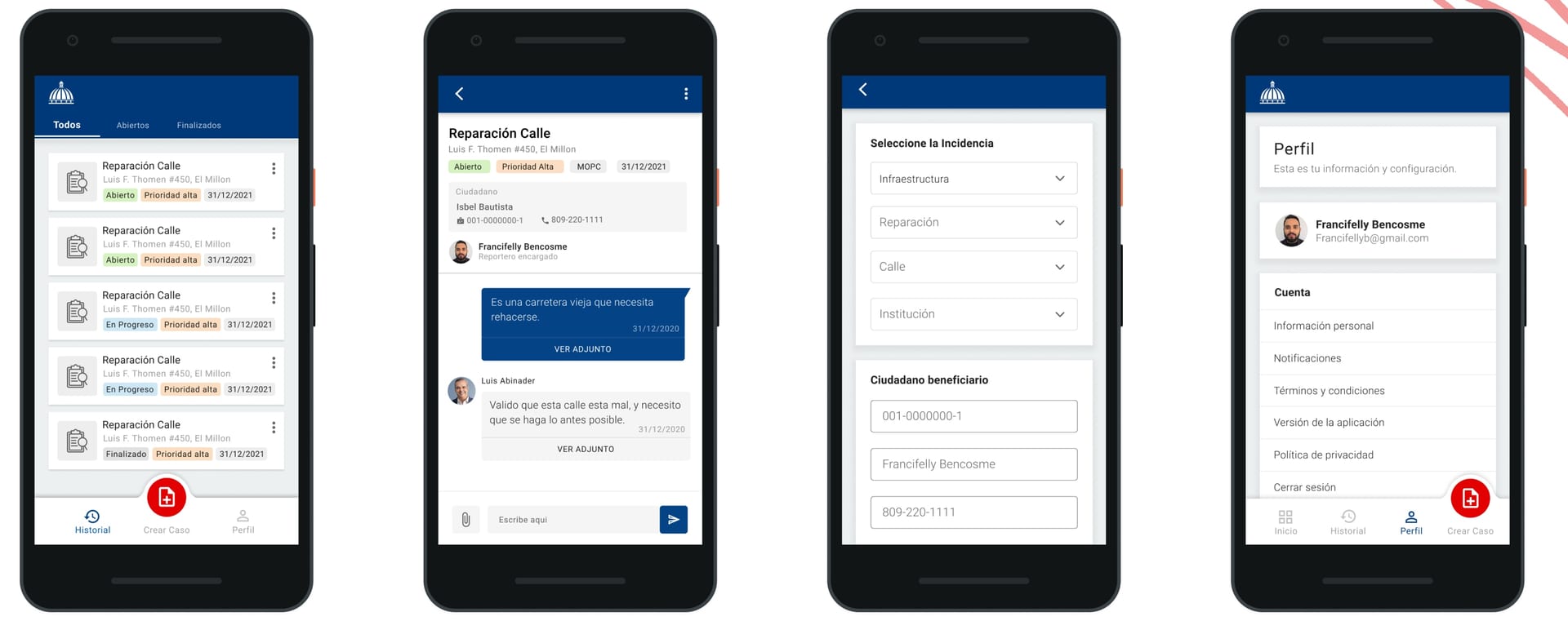
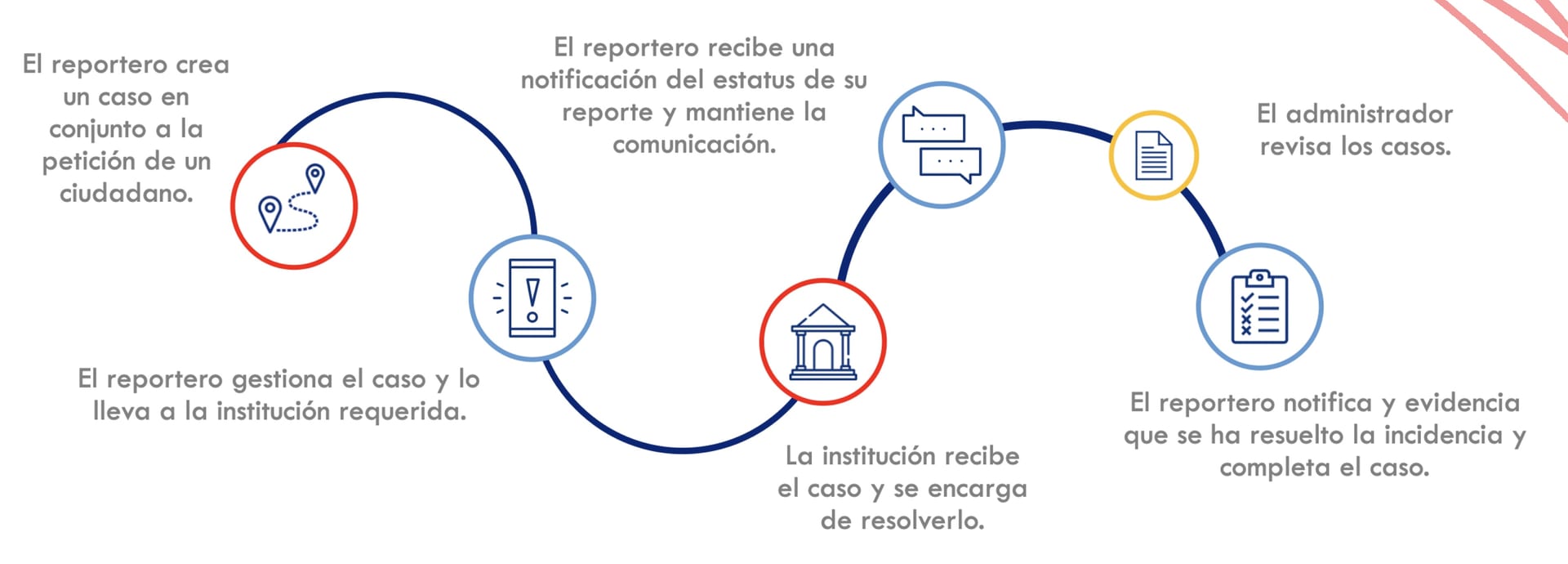
Reportero is an app from the Dominican government for citizens to file reports with state institutions. Most tools like it are a form with a send button, and the citizen never hears back. Here, every report is assigned to an institution and stays open until that institution posts proof it was solved. I designed the whole app, after spending twenty days in the field with the people who would use it: police stations, city halls, communities and the National Palace.
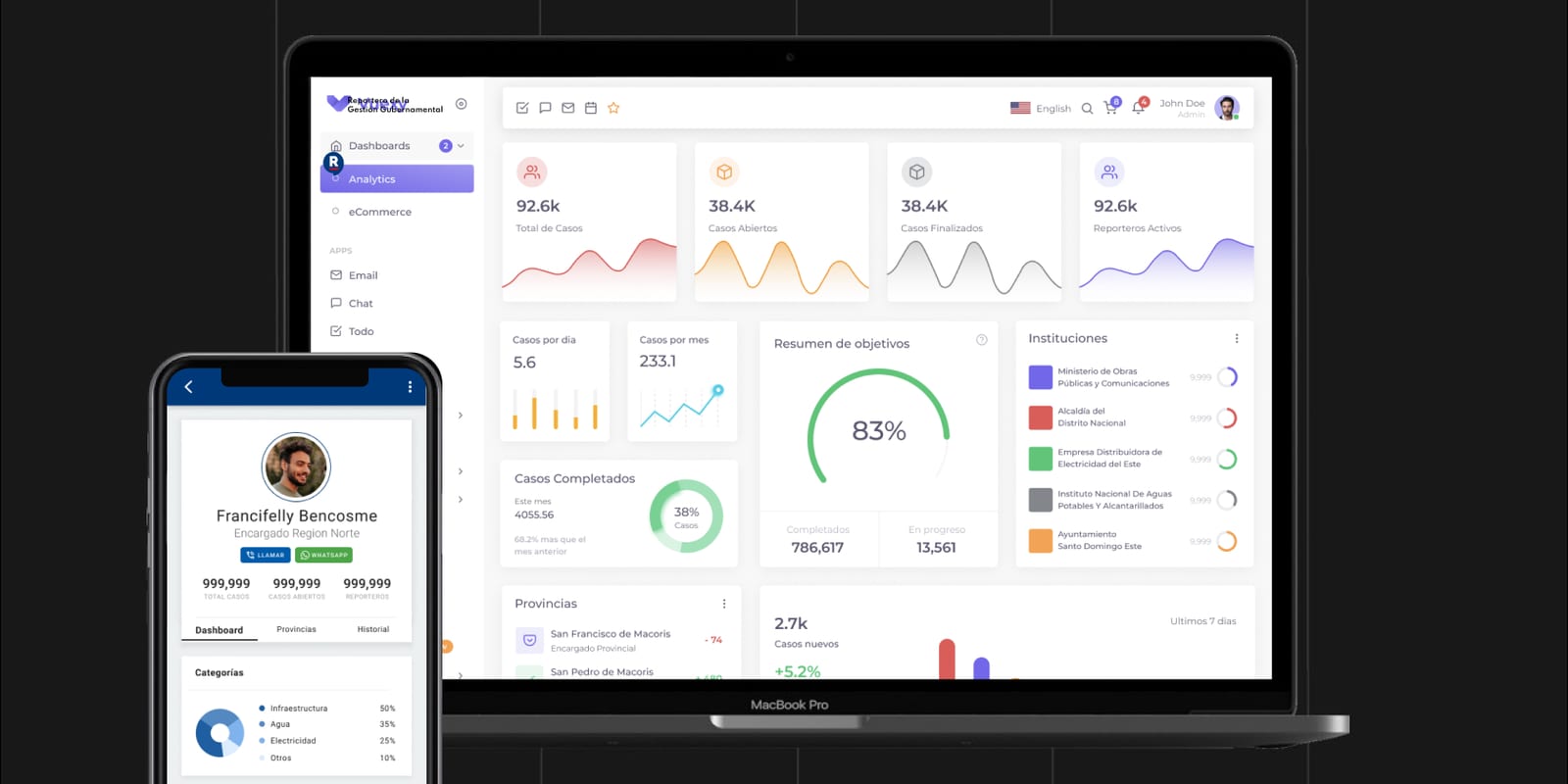
- What I did
- The product vision, the design of the whole app, and twenty days of field research
- What I did not do
- The back end and the data. A mobile developer, two back-end engineers and a data scientist built what I designed.
- Time
- 6 months, from the first question to the last screen
- With whom
- 1 mobile developer · 2 back-end engineers · 1 data scientist · the product owners
- For whom
- Citizens, police officers, state institutions and administrators
Most government reporting tools are just a form with a send button, and the citizen never hears back. If a report doesn’t reach someone responsible for it, it isn’t a service. It is a message nobody answers.
The app had six kinds of users, each needing something different from the same report: citizen, officer, zone, institution, administrator and super-administrator.
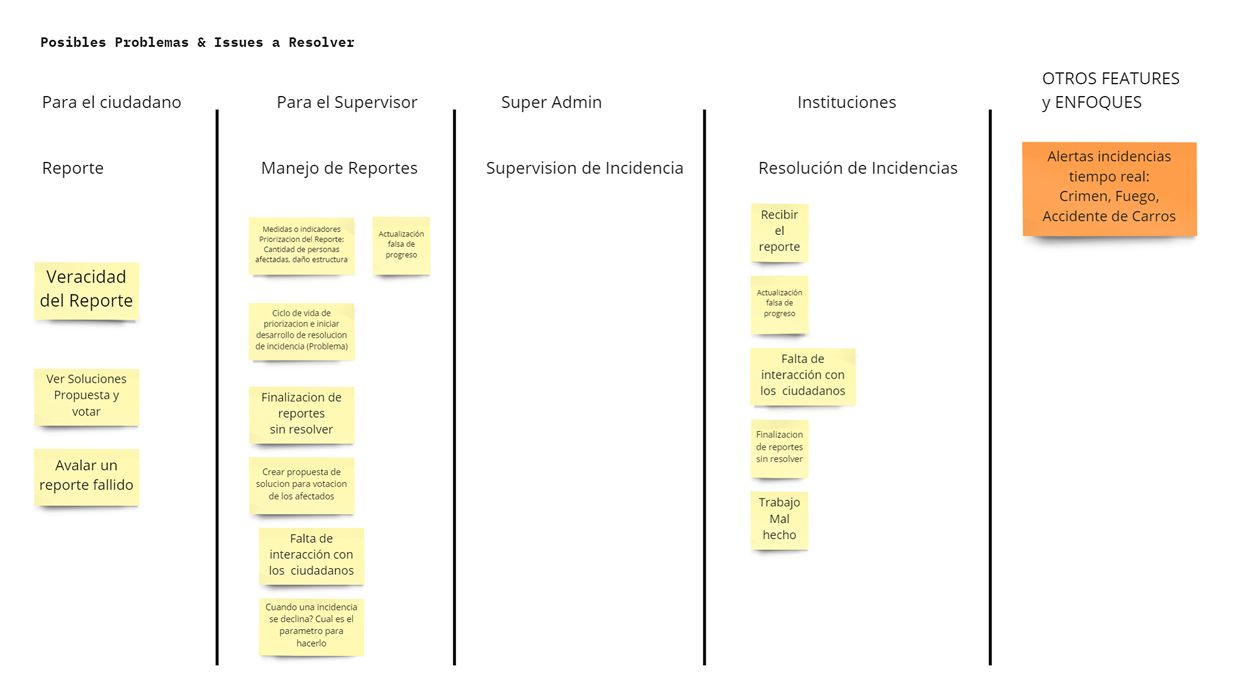
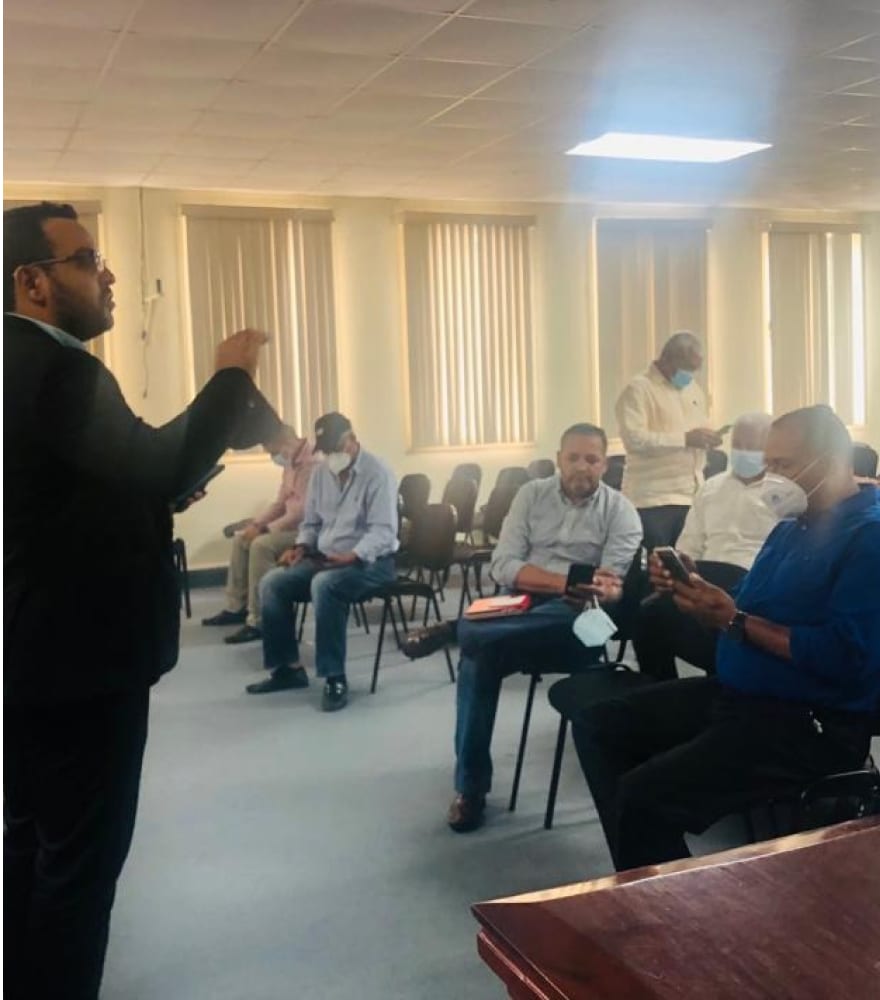
The brief described a user who turned out not to exist. We were told the officers would struggle with a phone app. In the police stations we found that the average officer was over forty and used a phone perfectly well. We learned that by going there, not in a meeting.
Twenty days across the country before designing the first screen.
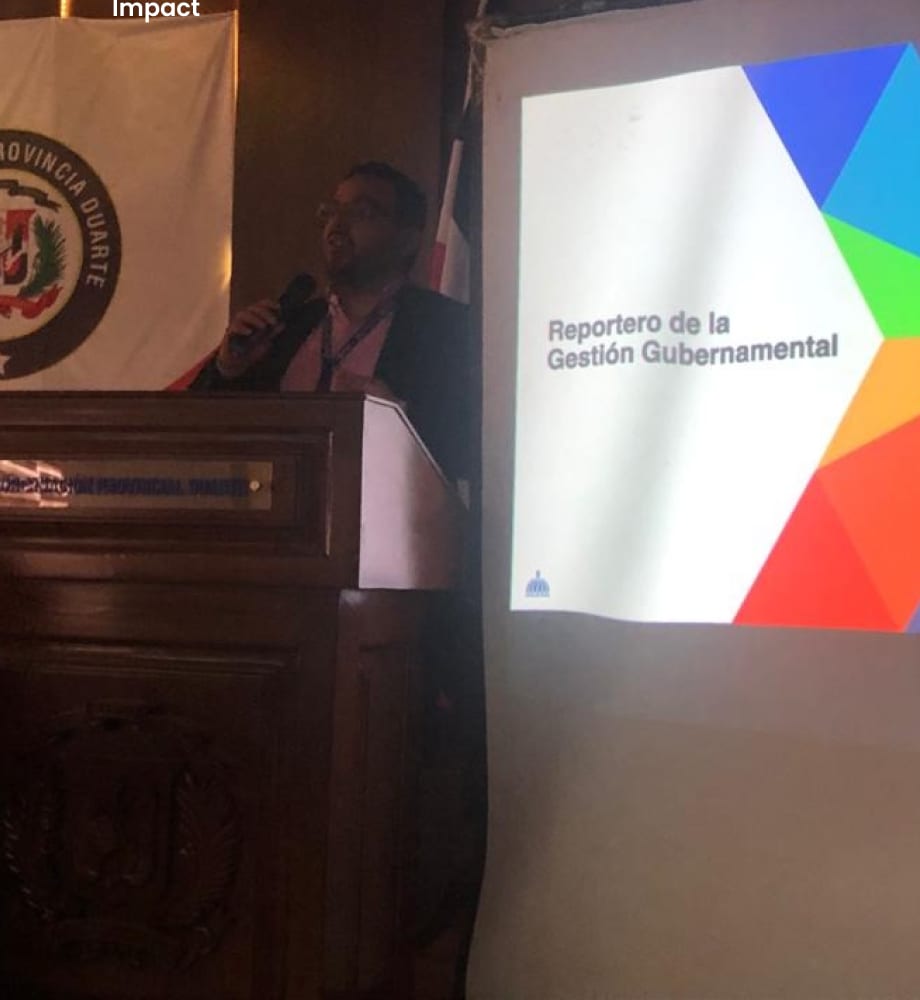
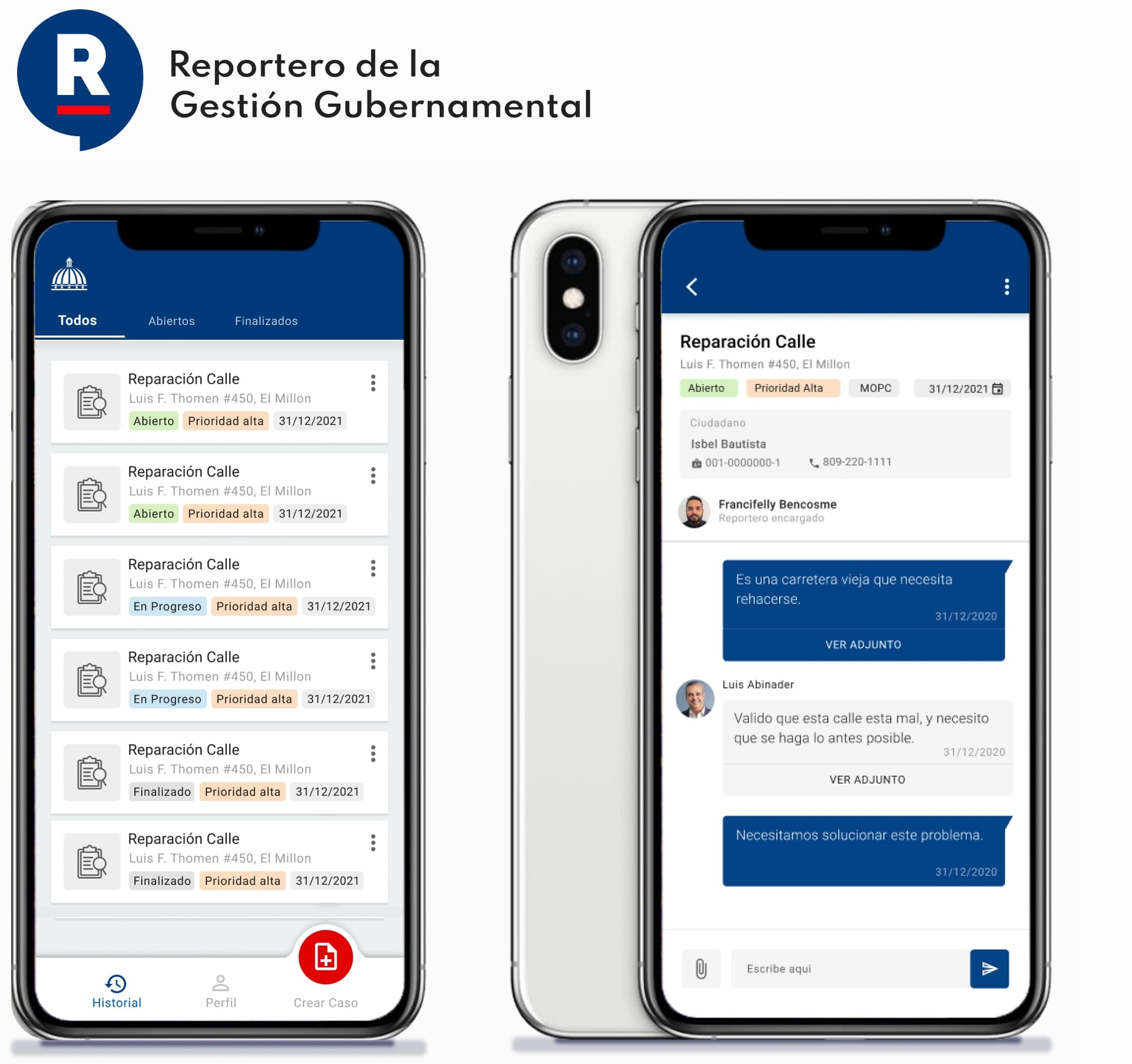
- Started as — a report with a status, a priority and an institution responsible for it.
- Dropped — the user the brief described. Twenty days in the field proved that user wrong, and every screen designed for them went too.
- Became — a conversation that only closes when the institution posts proof the problem was solved.
- Kept — the core rule: a report closes with proof, or it doesn’t close. That rule is the product, and it survived every version.
- 200+officers tested the appcounted across the field sessions, in the stations where it would be used
- 400+reports created during testingsame sessions, same count
- 20+days in the field before the first screenfrom the research schedule
A project by Fran Bencosme · PortfolioA project by Fran Bencosme · Portfolio